Red office ideas and inspo.
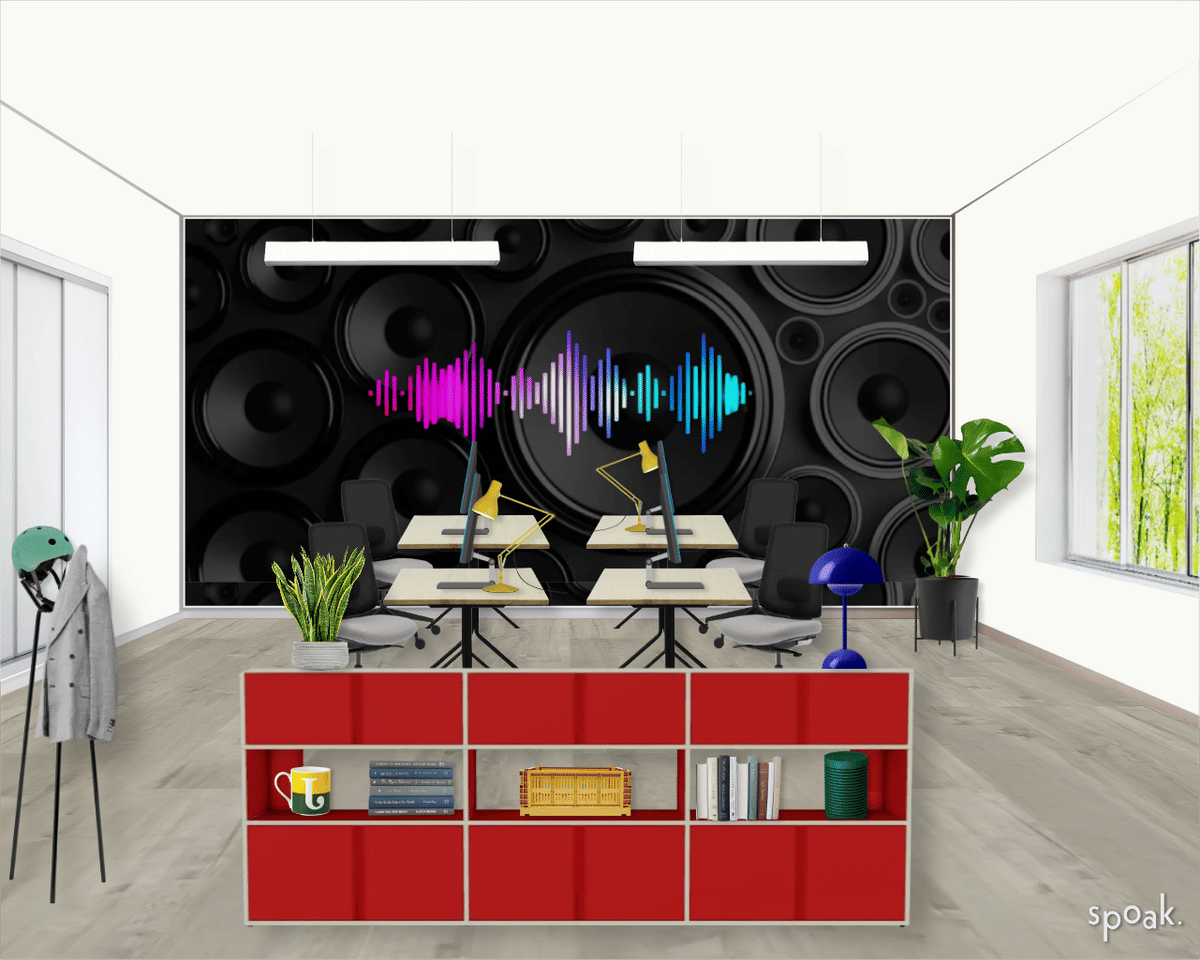
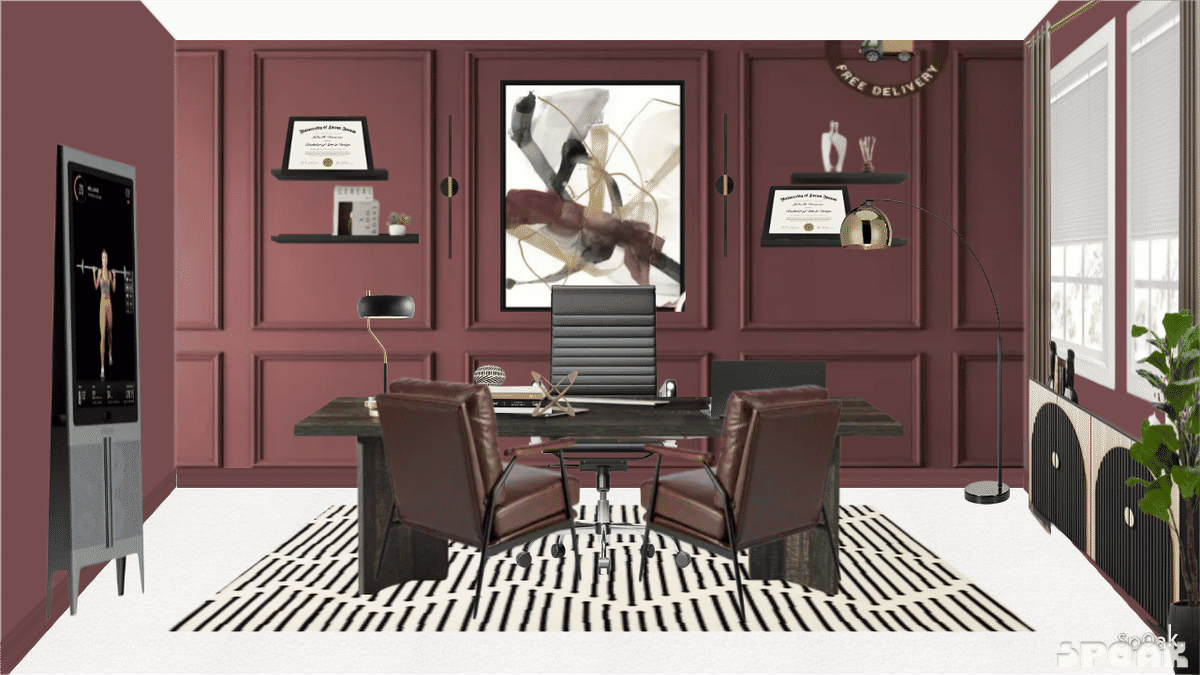
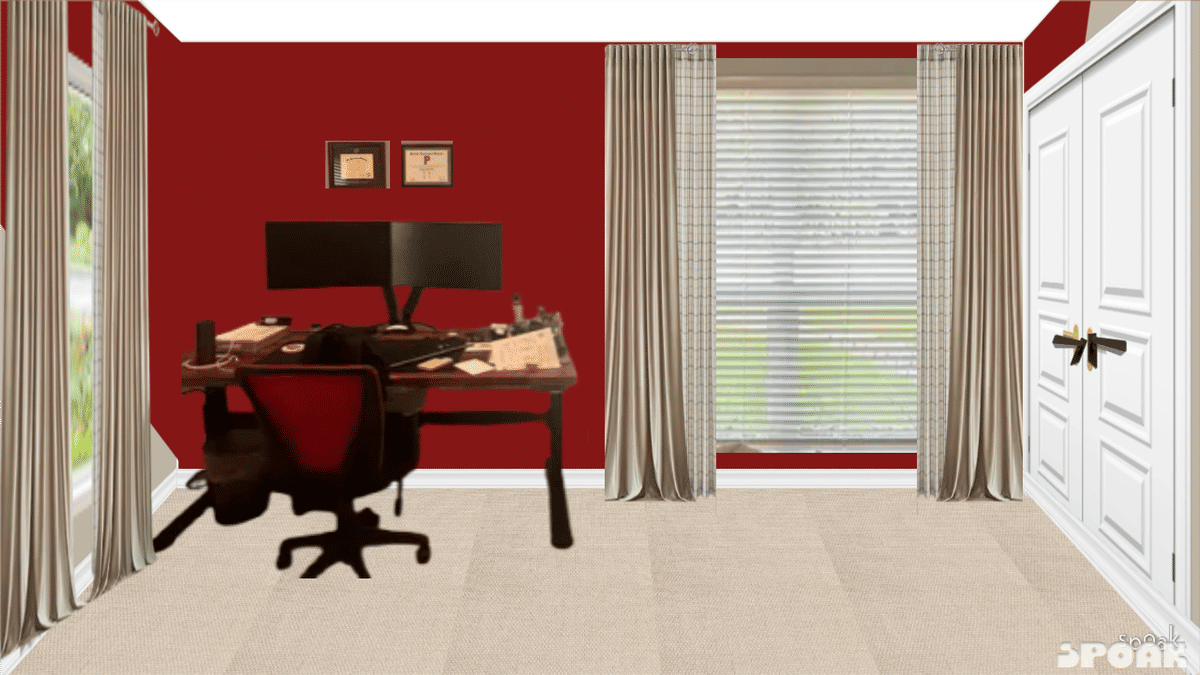
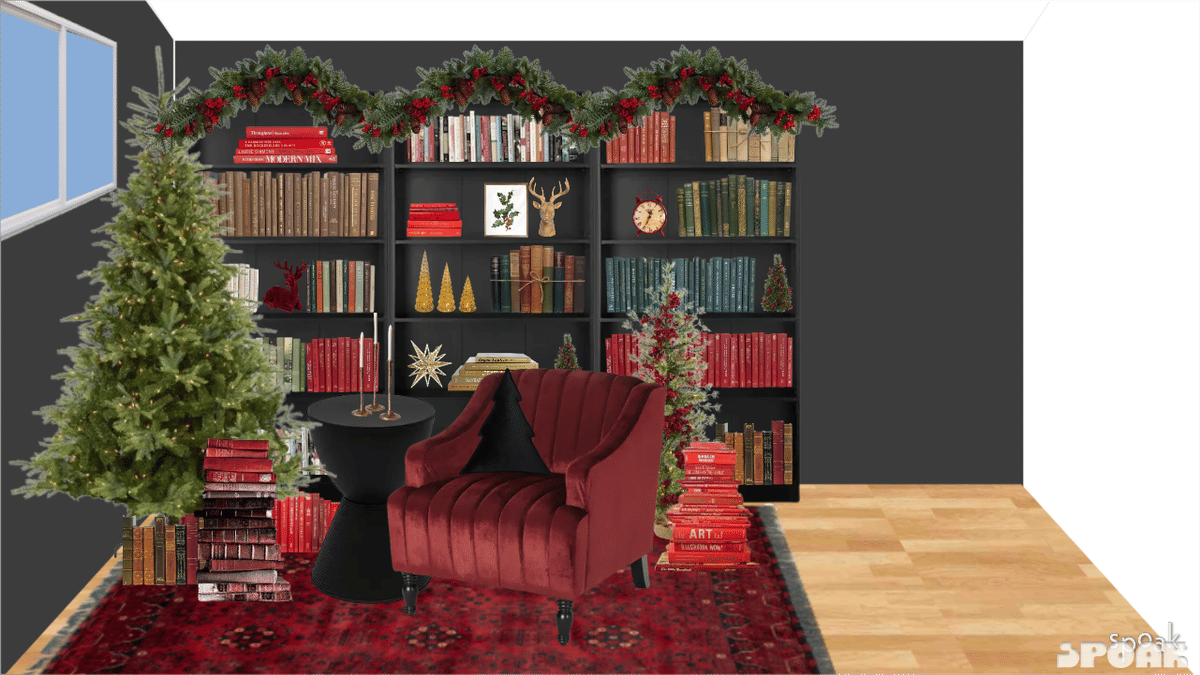
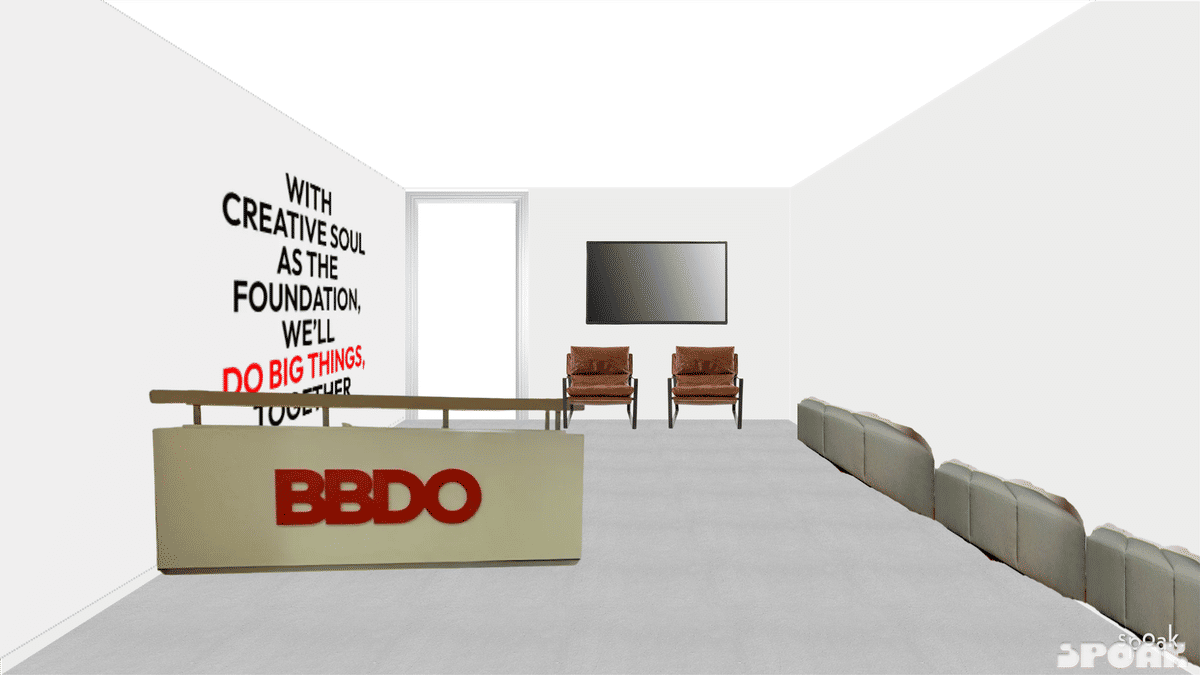
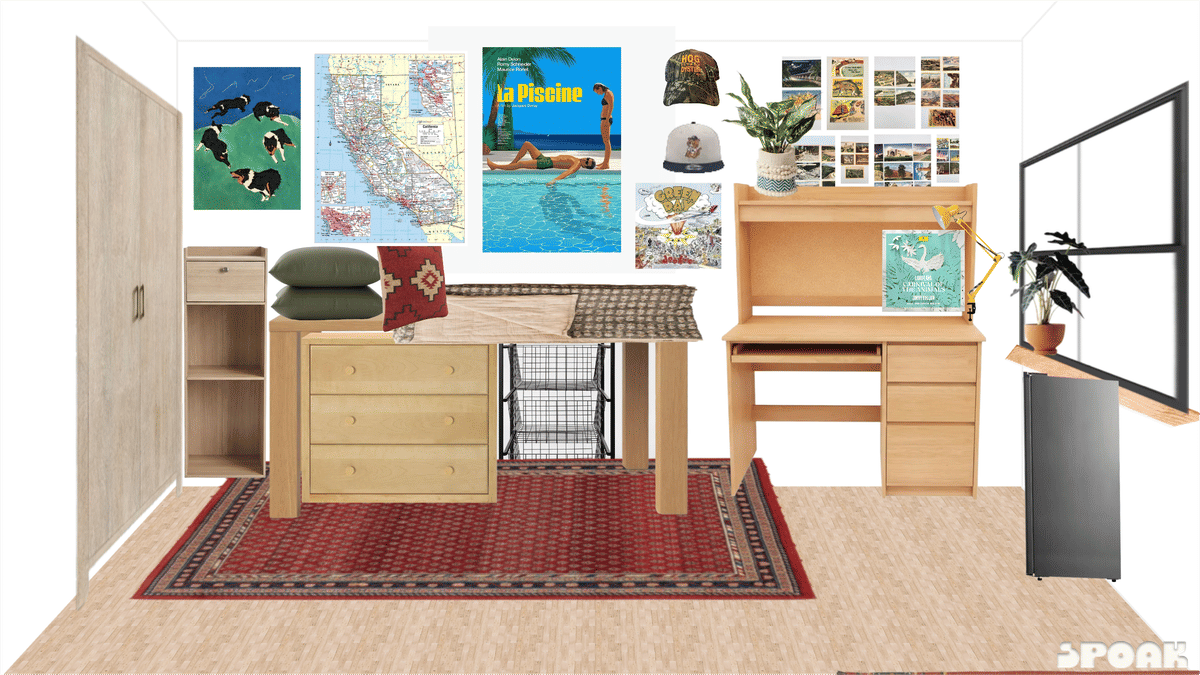
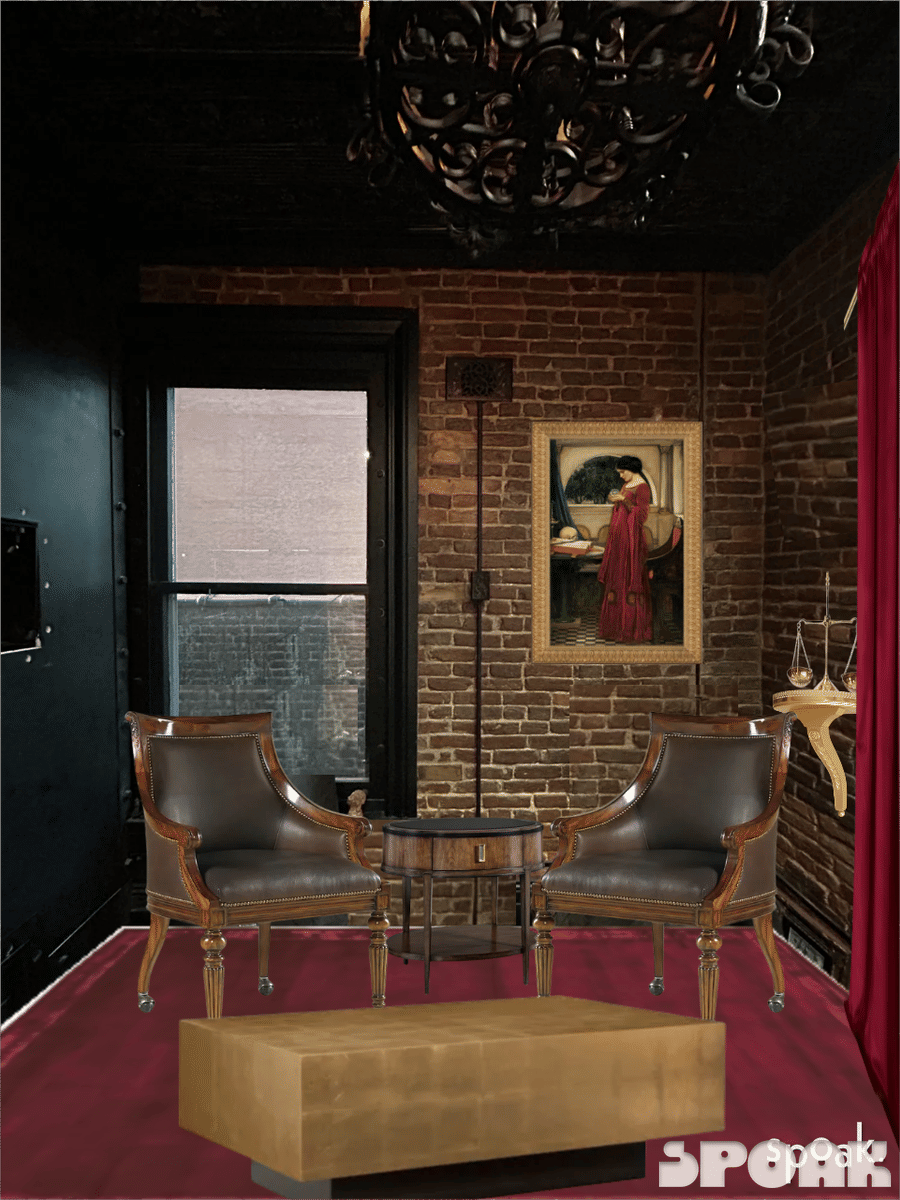
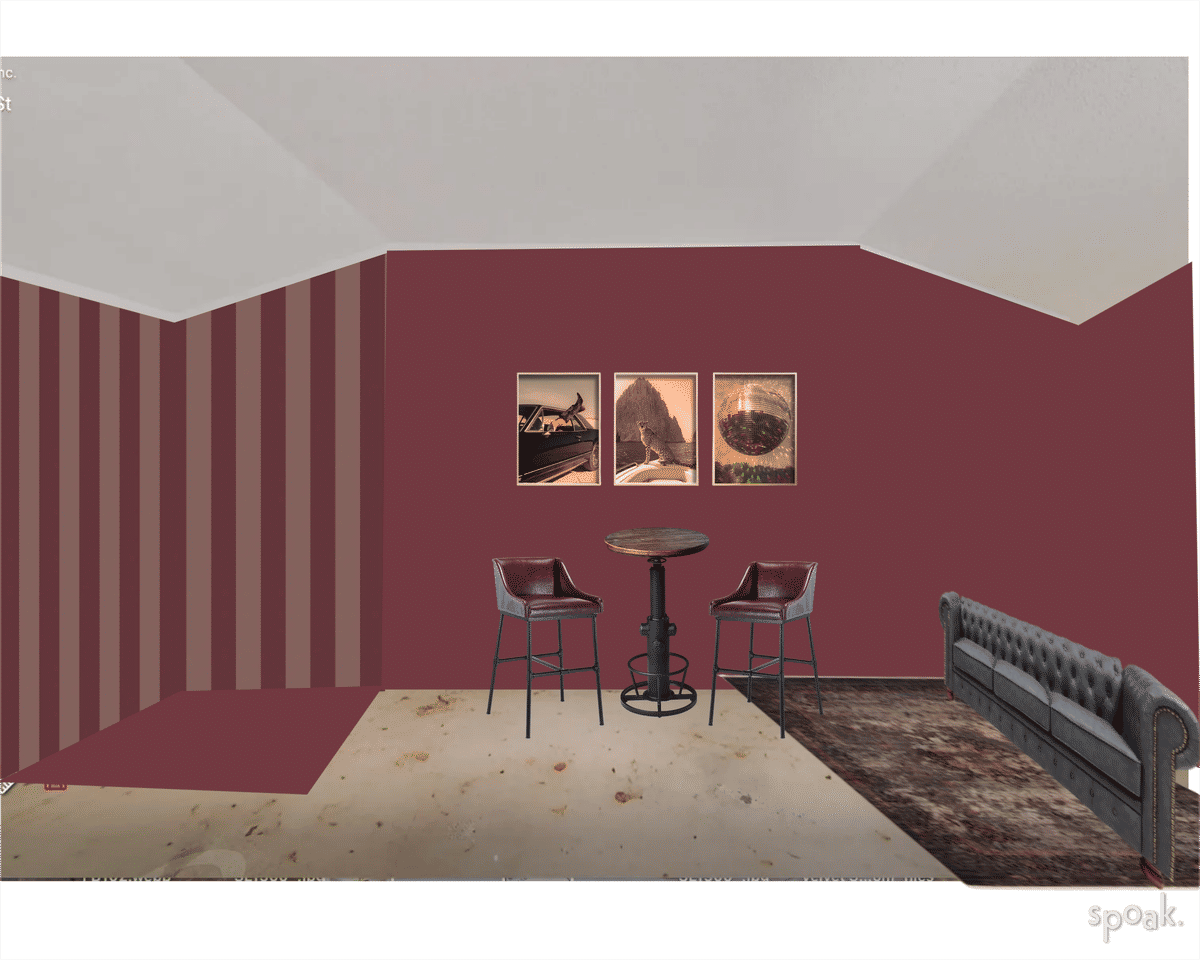
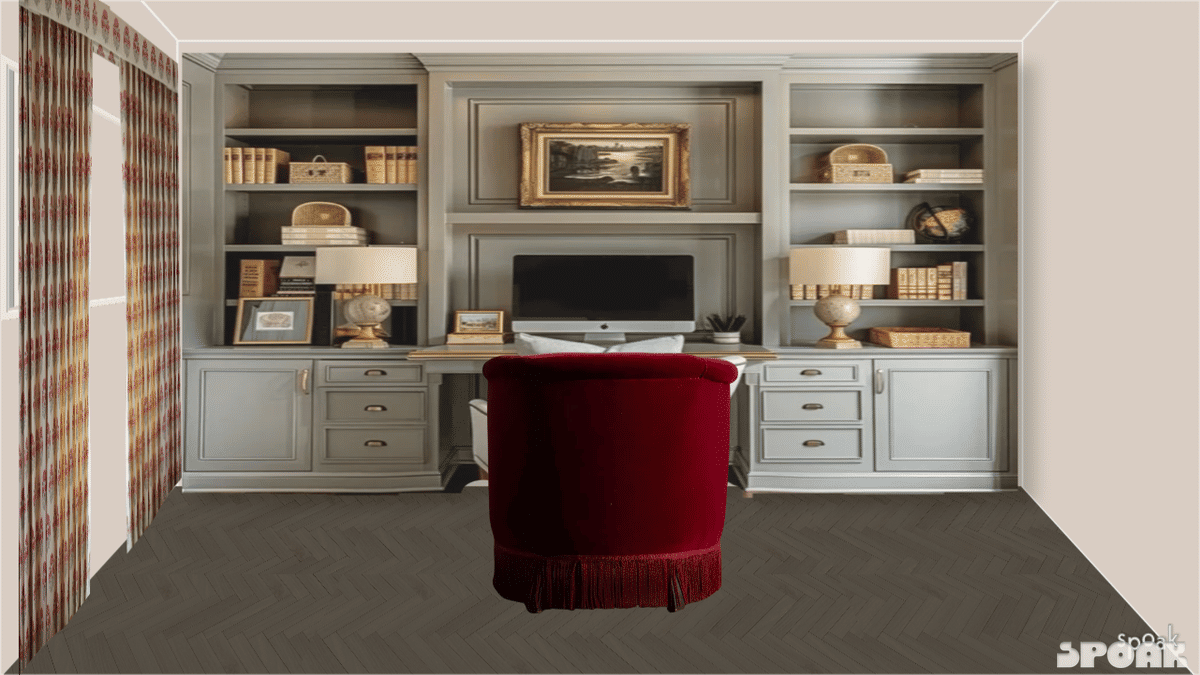
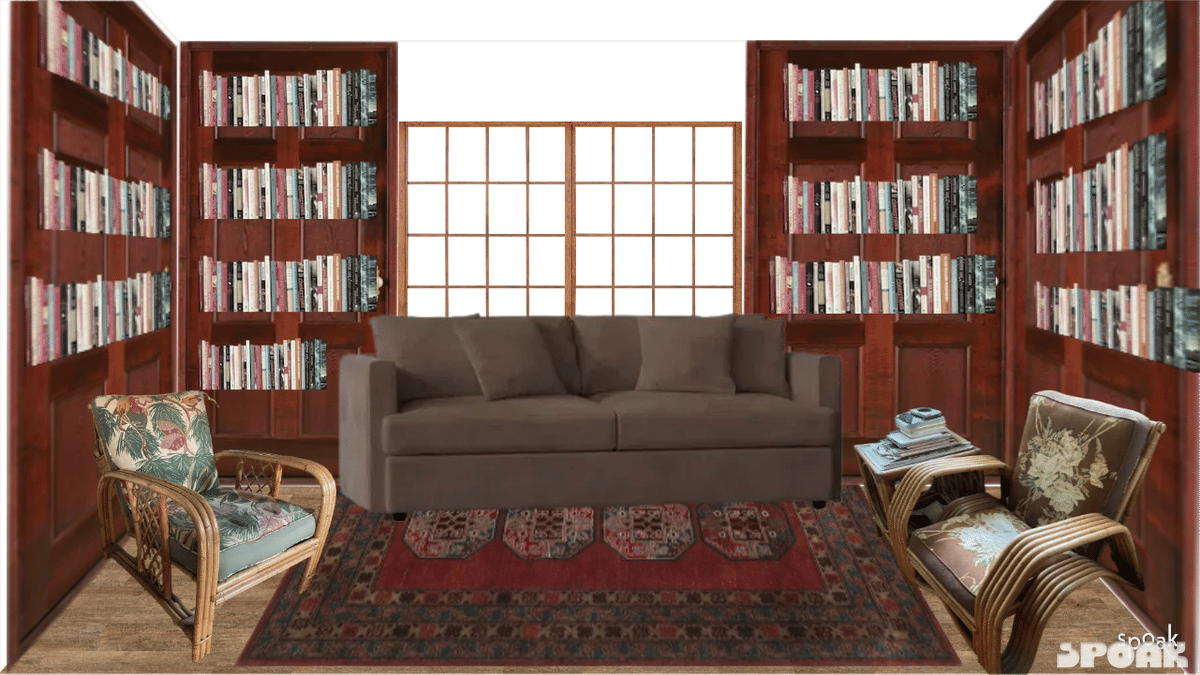
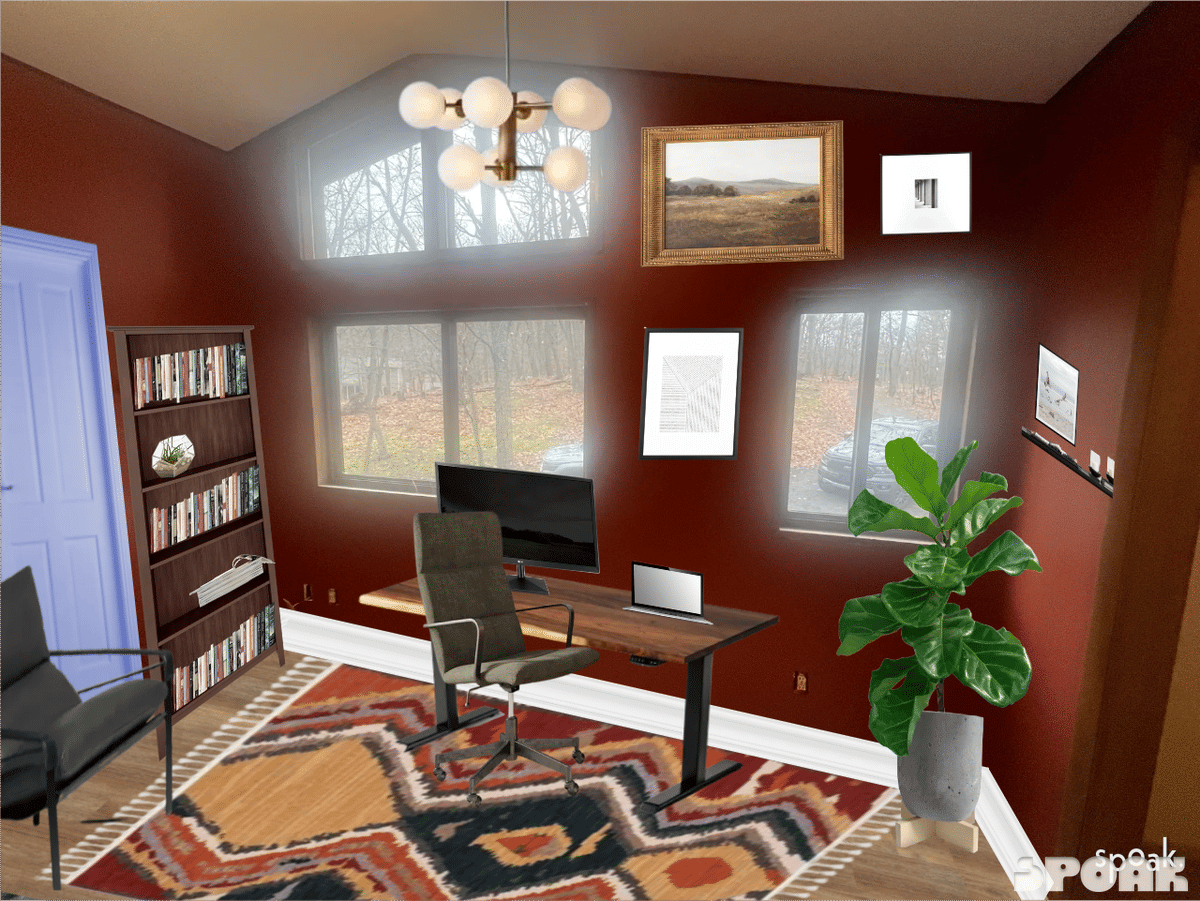
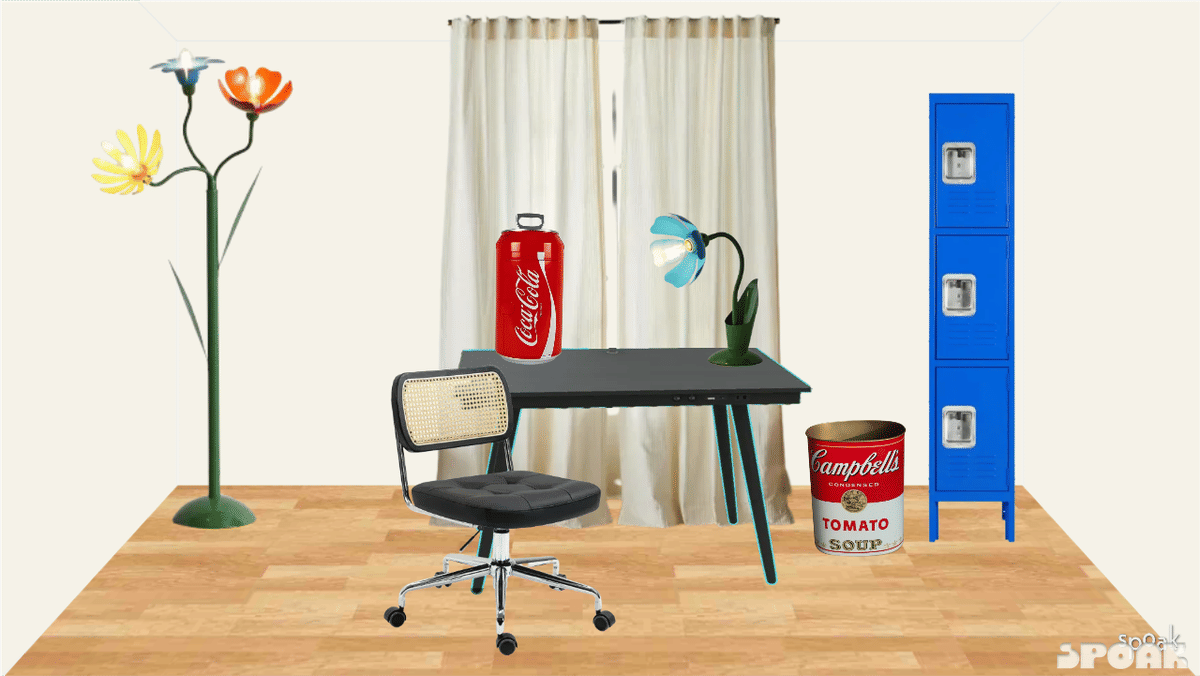
Are you designing a red office and looking for inspiration? You’ve come to the right place. Spoak has all the interior design inspiration to get those creative juices flowing. Browse room designs, inspiration images and decor ideas below.
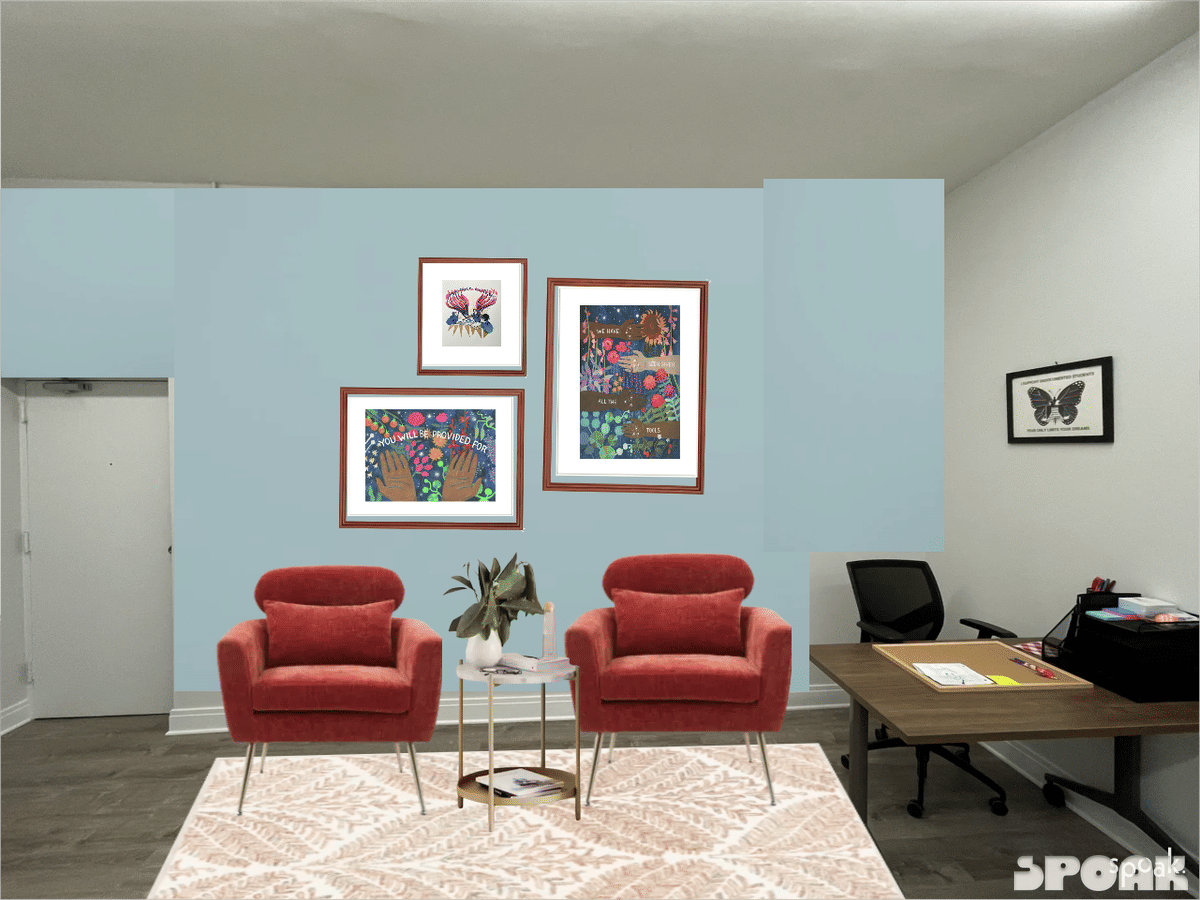
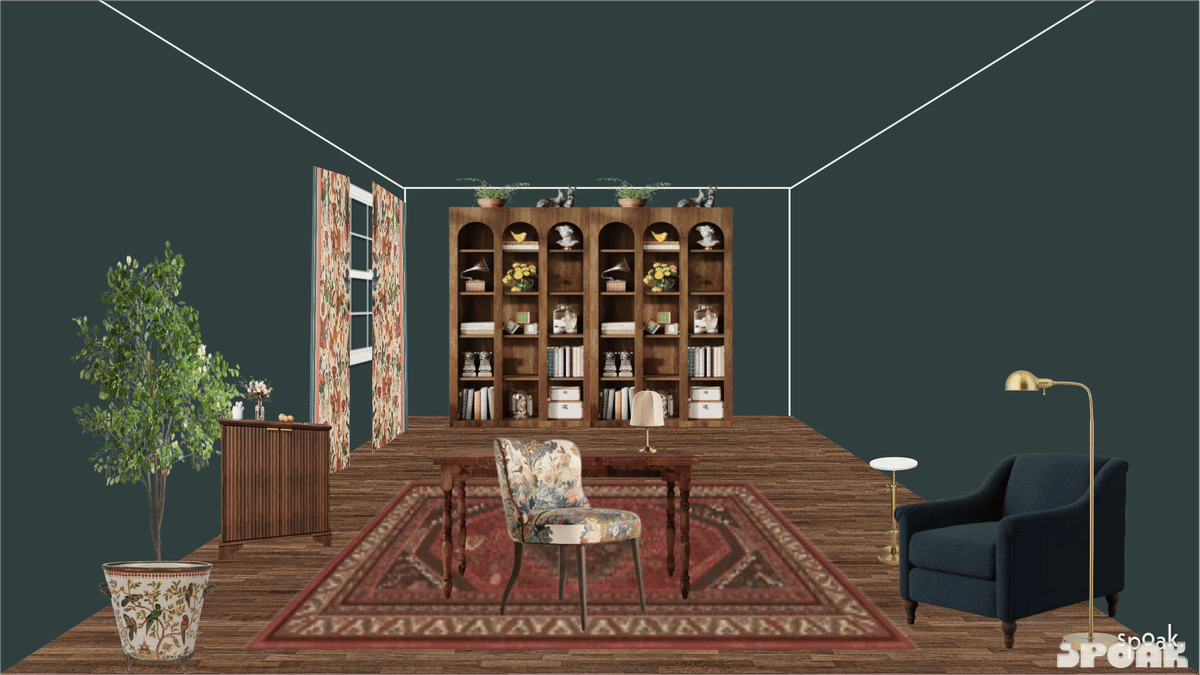
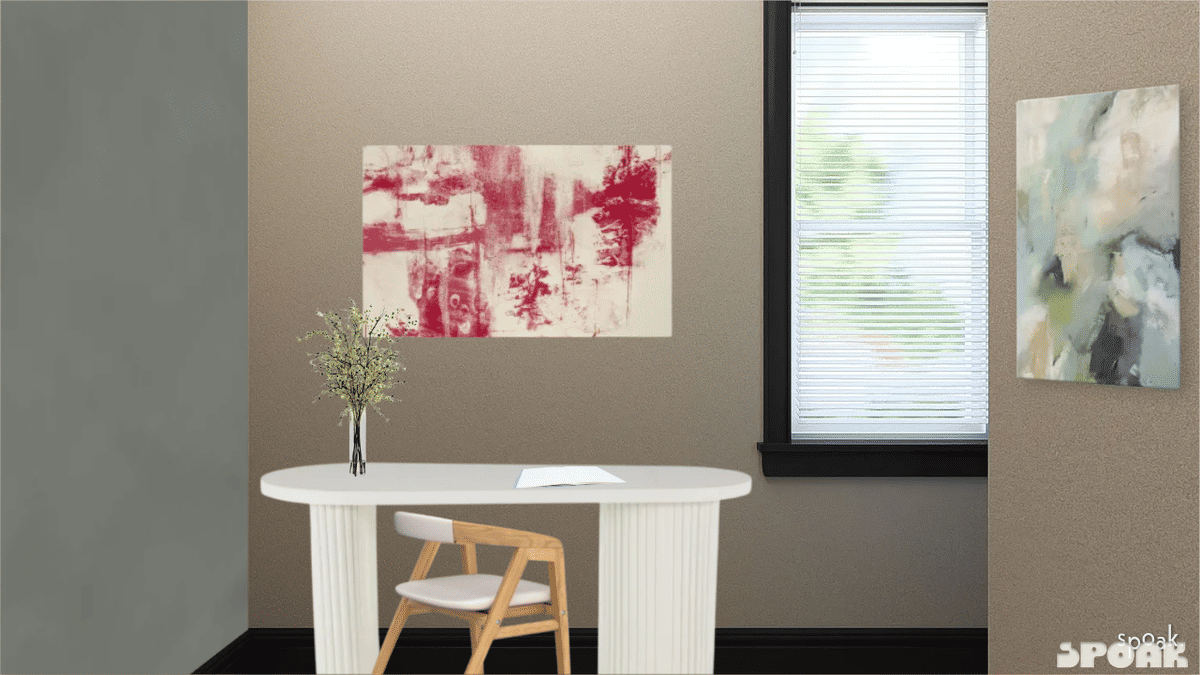
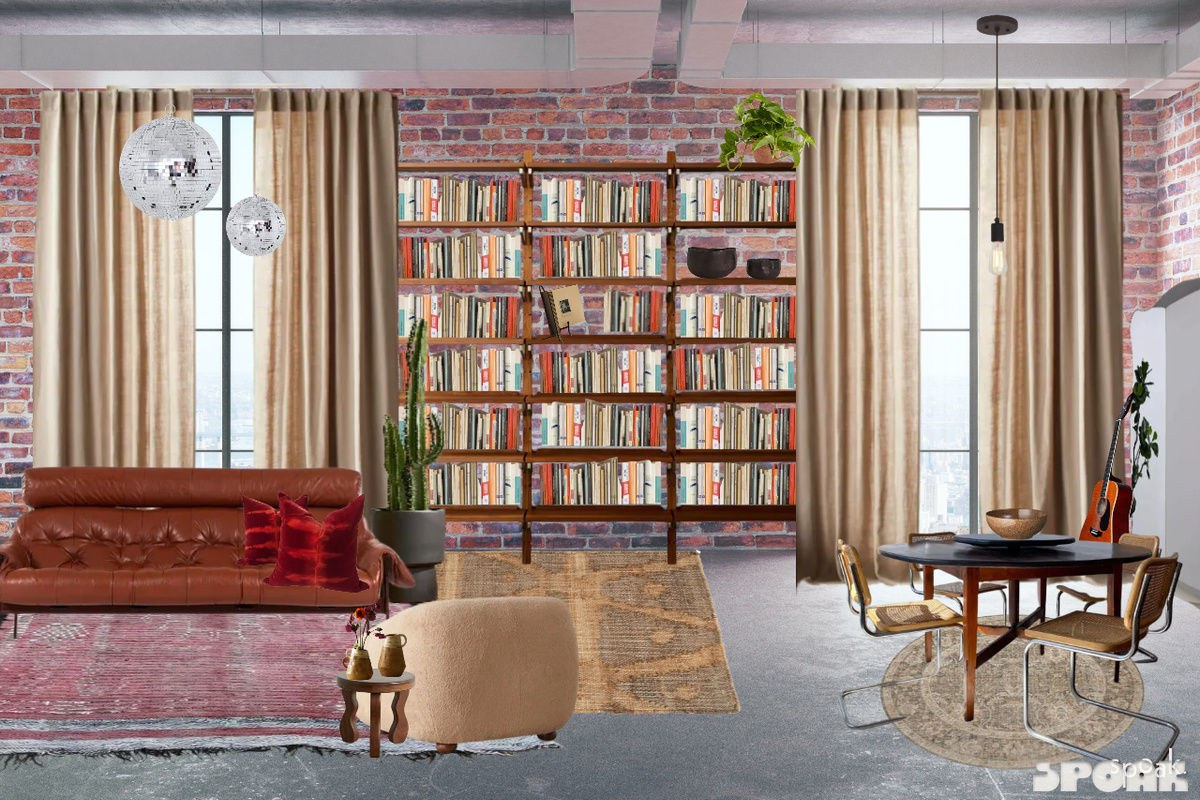
Design your red office with Spoak.
Create lifelike room mockups, mood boards, or product roundups in minutes.
Easy-to-use
An intuitive interface that's quick to learn.
Limitless
Add anything and everything from the web to your designs.
For all levels
Built for DIY enthusiasts and professionals.
Fun
Get inspired, express your creativity, and enjoy the process!
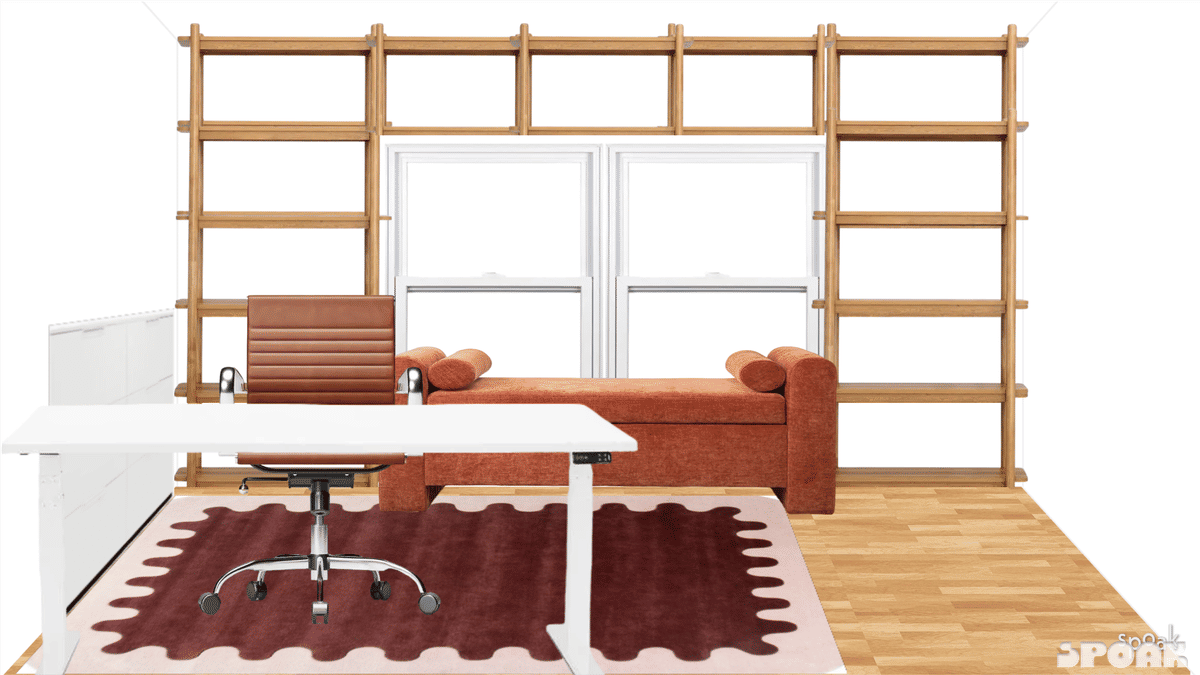
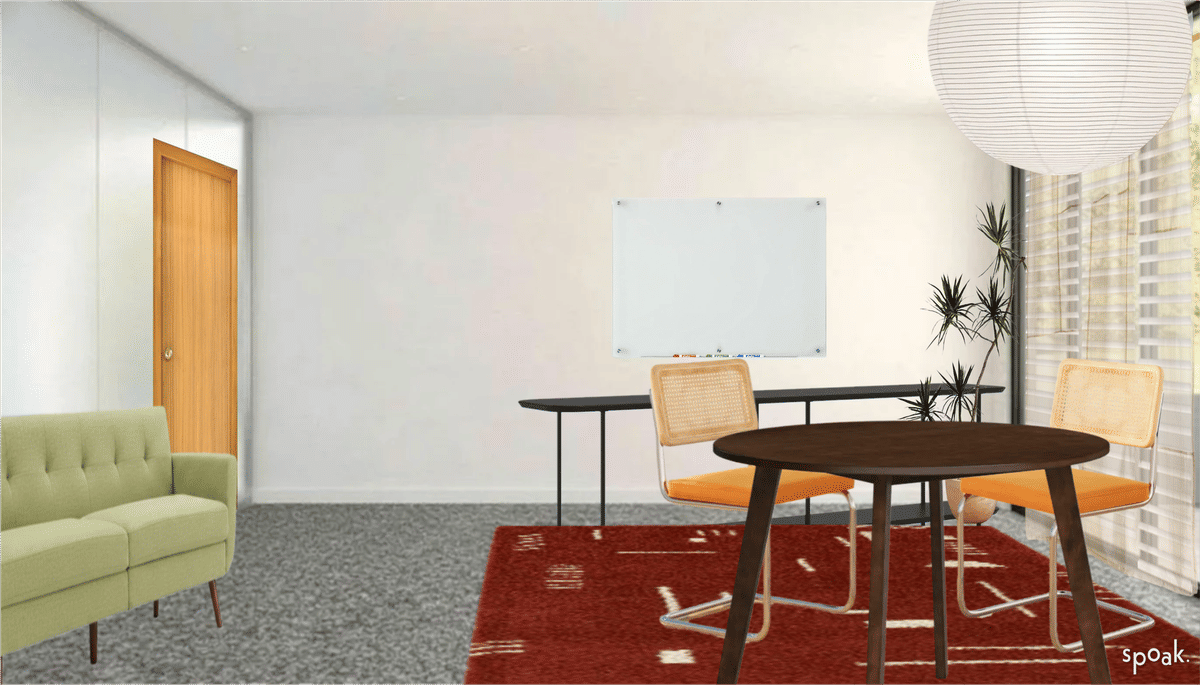
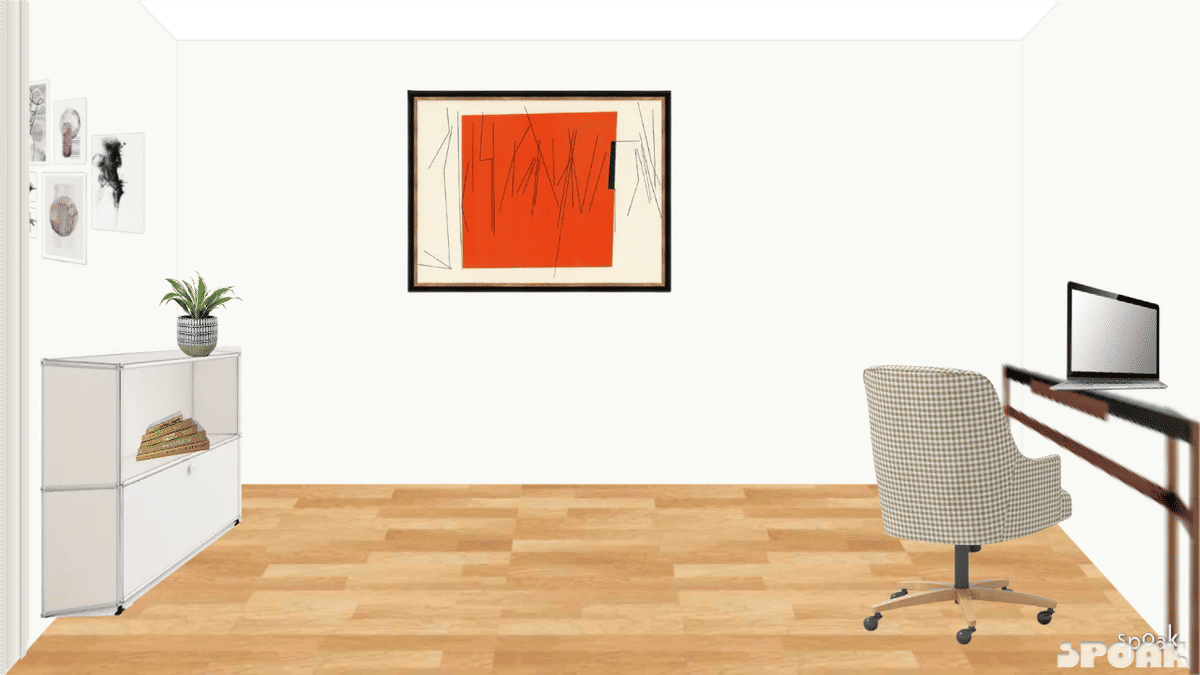
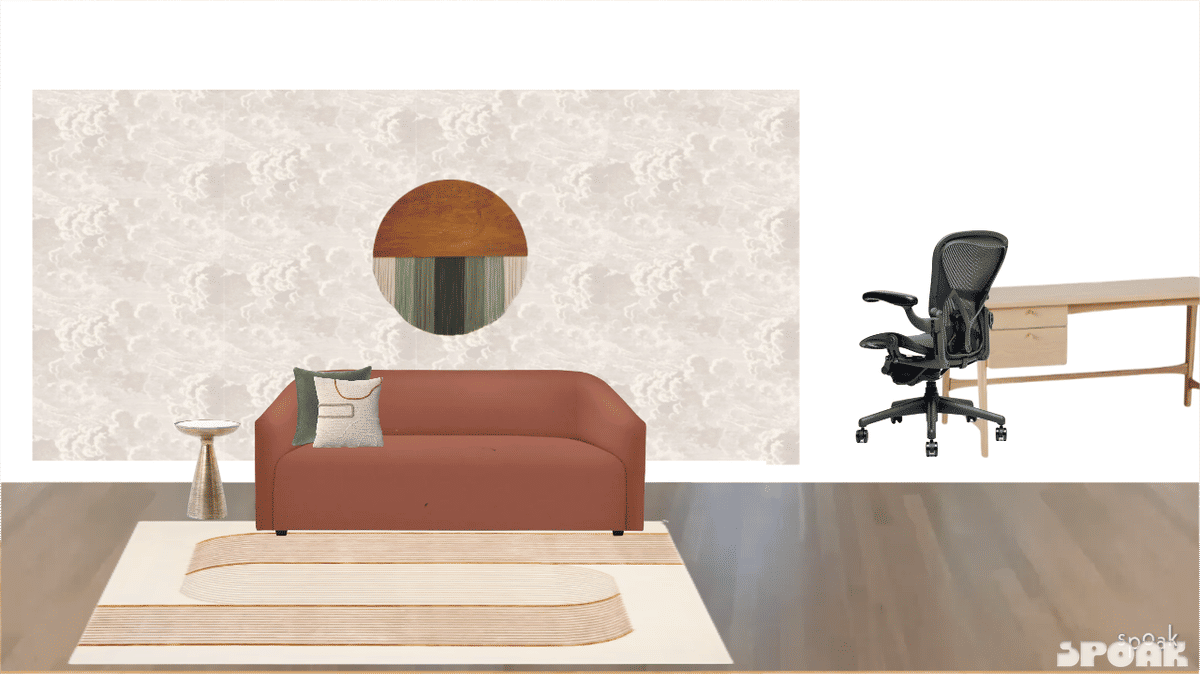
 The style quiz
What's your design style?
A quick, visual quiz that names your aesthetic, so you know exactly what you're designing toward.
take the quiz to find yoursDesign tips for decorating a red style office
Here’s how to achieve the red aesthetic room of your dreams.
What’s the best way to design and decorate a red office?
The design of your workspace can be as crucial to your productivity as your morning cup of coffee. Whether you're carving out a corner in an open-concept living room or in the process of a remodel to create a dedicated office space, these are our tips to help you create a space that works (pun intended) for you:
- Desk & Chair: The cornerstone of any office, your desk provides a designated workspace for your computer, monitor, books, and other essentials. It often serves as the focal point of an office or study, so place it where it best suits your workflow, ideally near natural light to boost mood and productivity.
- Bookshelves or Storage: Every office needs storage. The material you choose for your storage can really help lean into the desired style of your workspace.
- Seating: Extra seating options, like an accent armchair, or sofa can add a cozy touch and provide a spot for guests or a change of scenery for you. Position these to encourage conversation without disrupting your work zone.
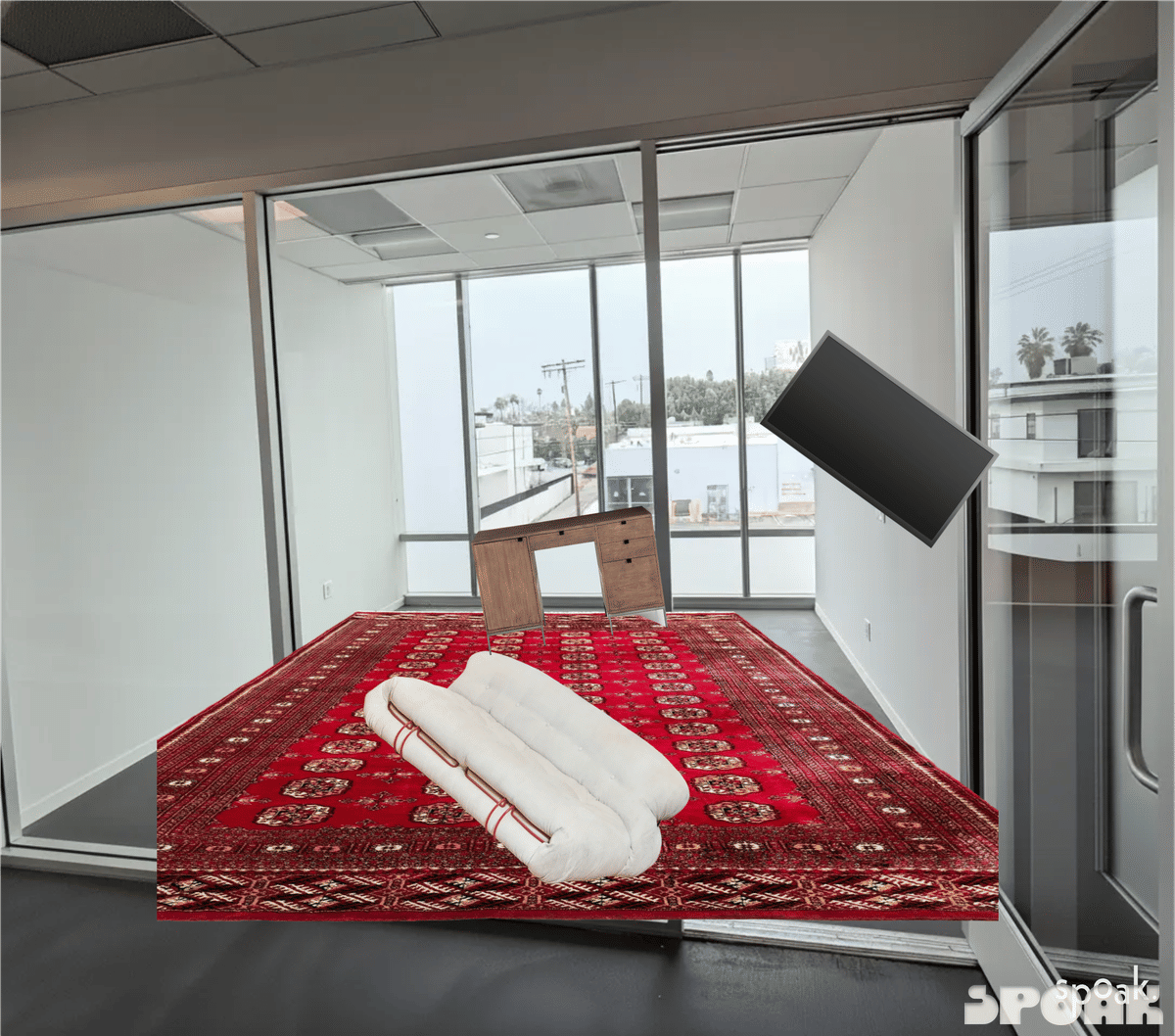
- Area Rug: An area rug adds warmth and can define a workspace within a larger room. Place it under your desk and chair to anchor the space, ensuring it's large enough to allow for easy chair movement.
- Paint or Wallpaper: Select a color or pattern that sets the desired mood for the office and complements the style you want to achieve. We are partial to covering walls, ceilings, and trim in a uniform paint color to create a cohesive look. Or consider an accent wall behind the desk to serve as a focal point.
- Decorative Lighting: Combine task, ambient, and accent lighting for a layered lighting scheme. A desk lamp is common for those late work nights burning the midnight oil. Consider the placement of lighting fixtures to eliminate shadows and evenly light the space. Dimmer switches can adjust the mood.
- Curtains or Blinds: Window treatments not only help control the light and provide privacy but also serve to tie the room's design together. They offer an opportunity to inject color, texture, and pattern into the living space, making it more inviting and personalized. Whether flowing and sheer for a light, airy feel or rich and textured for a more luxurious look, curtains play a pivotal role in setting the tone and atmosphere of the office. Don’t forget the curtain rod!
Remember, the best office design is one that reflects your personal work style and needs. Experiment with different arrangements until you find the perfect balance of functionality and comfort. If you need an extra hand, check out our step-by-step guide on Home Office Design.
How do you decorate with red?
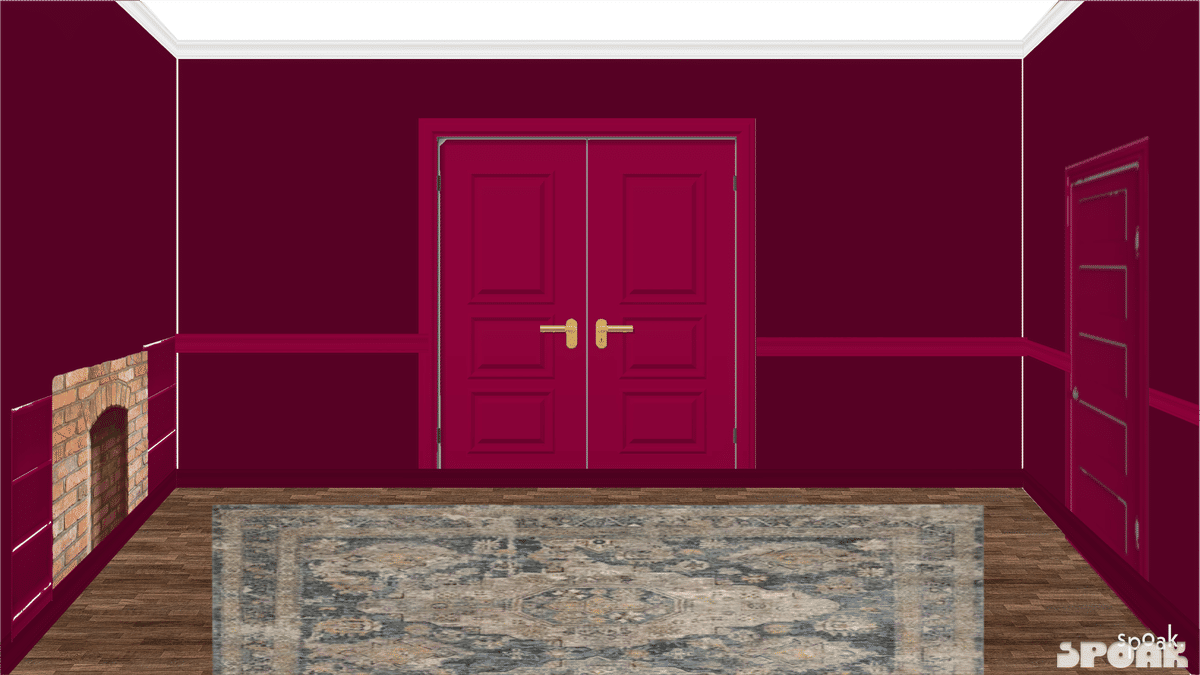
A red office is sure to make a bold statement. The color red is a vibrant and powerful hue that can evoke a range of emotions and sensations. Red is one of the primary colors, along with yellow and blue, and it holds a special place on the color wheel. In interior design, incorporating red can create a sense of energy and passion in a space. Red is often associated with warmth (fire), strength, power, love, and excitement.
It’s important to use red strategically or in moderation in your design, as it can be overwhelming if used excessively. Red is most often used as the main color in kitchens, dining rooms, living rooms, and playrooms. Red can be used as a dominant color in your office to create a dramatic and stimulating atmosphere or as an accent color to add a pop of intensity. A pop of red doesn't just speak; it sings. You may have heard of the trending “unexpected red theory” that has taken over our social feeds. The theory is simple: Add something red to any room—even when it doesn’t match—and it will automatically look better. Fun fact: the term was coined by designer and Spoak member Taylor Migliazzo!
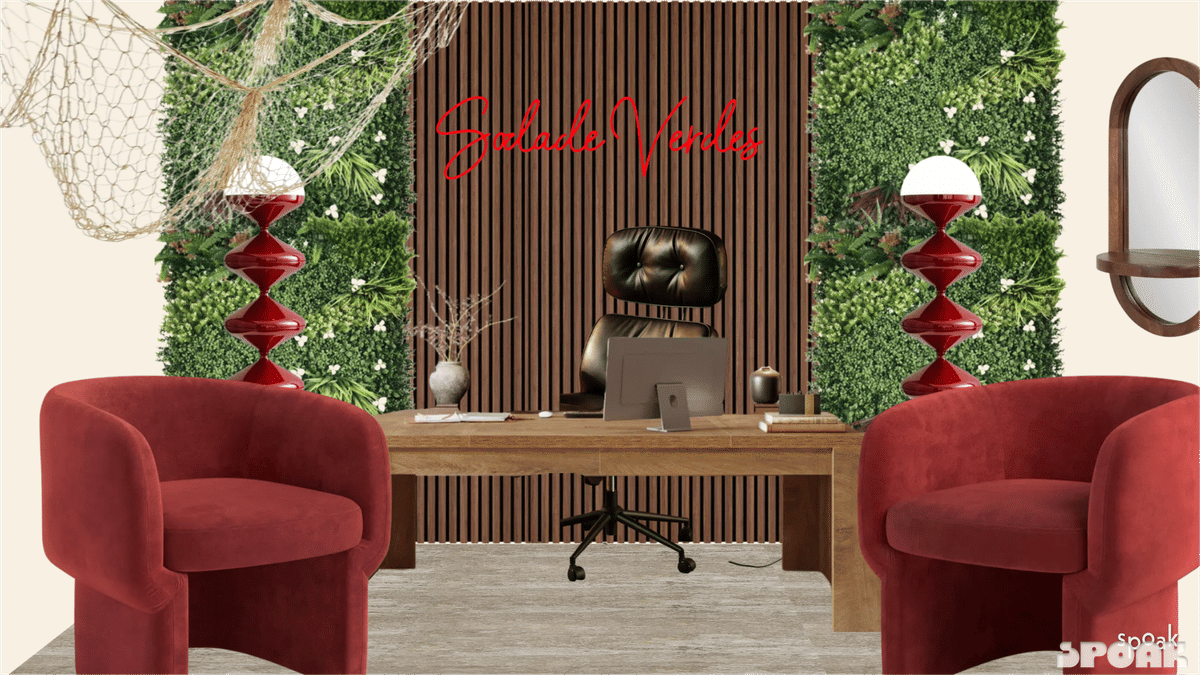
When it comes to finding a cohesive color palette that works well with red, there are a few options to consider. One classic choice is to pair red with its complementary color on the color wheel, which is green. This creates a vibrant and dynamic contrast. Another option is to go for a more harmonious look by combining red with analogous colors, such as shades of orange and purple. These colors are adjacent to red on the color wheel and create a visually pleasing and cohesive palette. Additionally, neutral colors like white, black, and gray can also complement red nicely, allowing it to stand out as the focal point. Your choice of complementary or harmonious colors will depend on the desired mood and style of your space.
More rooms
Stop scrolling and start moving the furniture around.
Join the studio