Colonial office ideas and inspo.
Are you designing a colonial office and looking for inspiration? You’ve come to the right place. Spoak has all the interior design inspiration to get those creative juices flowing. Browse room designs, inspiration images and decor ideas below.
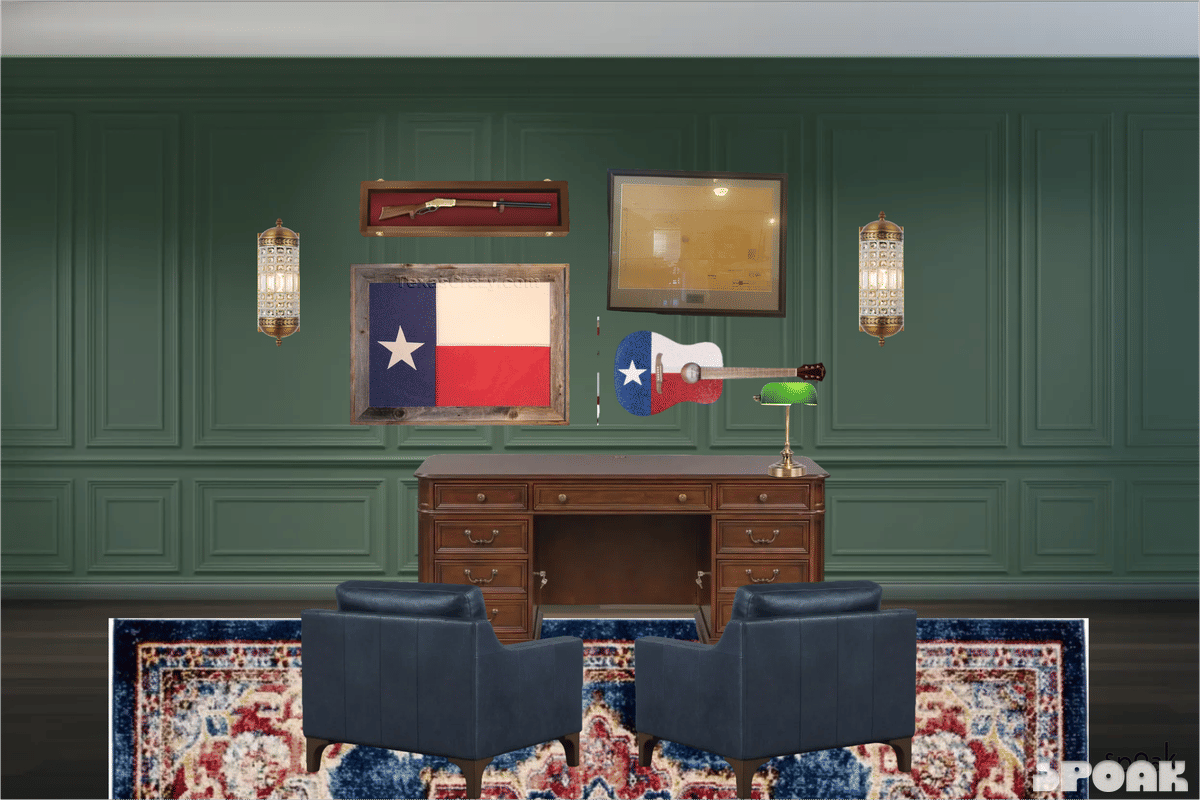
Design your colonial office with Spoak.
Create lifelike room mockups, mood boards, or product roundups in minutes.
Easy-to-use
An intuitive interface that's quick to learn.
Limitless
Add anything and everything from the web to your designs.
For all levels
Built for DIY enthusiasts and professionals.
Fun
Get inspired, express your creativity, and enjoy the process!
 The style quiz
Is Colonial your style?
A quick, visual quiz that names your aesthetic, so you know exactly what you're designing toward.
take the quiz to find yoursDesign tips for decorating a colonial style office
Here’s how to achieve the colonial aesthetic room of your dreams.
What’s the best way to design and decorate a colonial office?
The design of your workspace can be as crucial to your productivity as your morning cup of coffee. Whether you're carving out a corner in an open-concept living room or in the process of a remodel to create a dedicated office space, these are our tips to help you create a space that works (pun intended) for you:
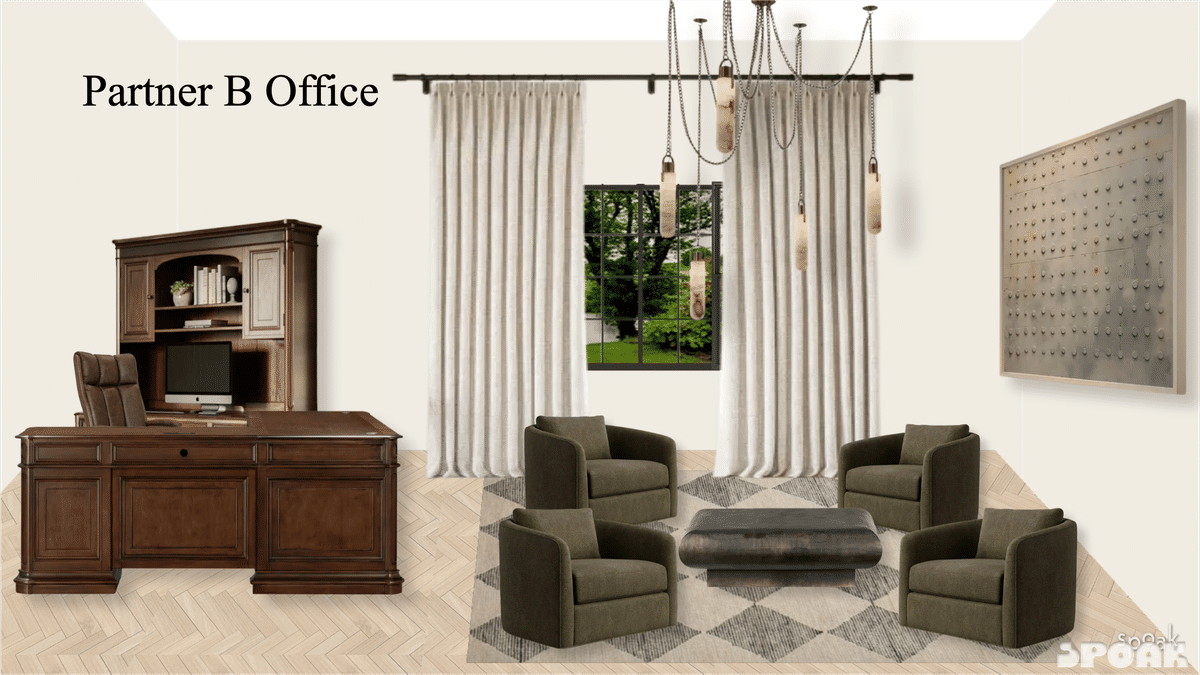
- Desk & Chair: The cornerstone of any office, your desk provides a designated workspace for your computer, monitor, books, and other essentials. It often serves as the focal point of an office or study, so place it where it best suits your workflow, ideally near natural light to boost mood and productivity.
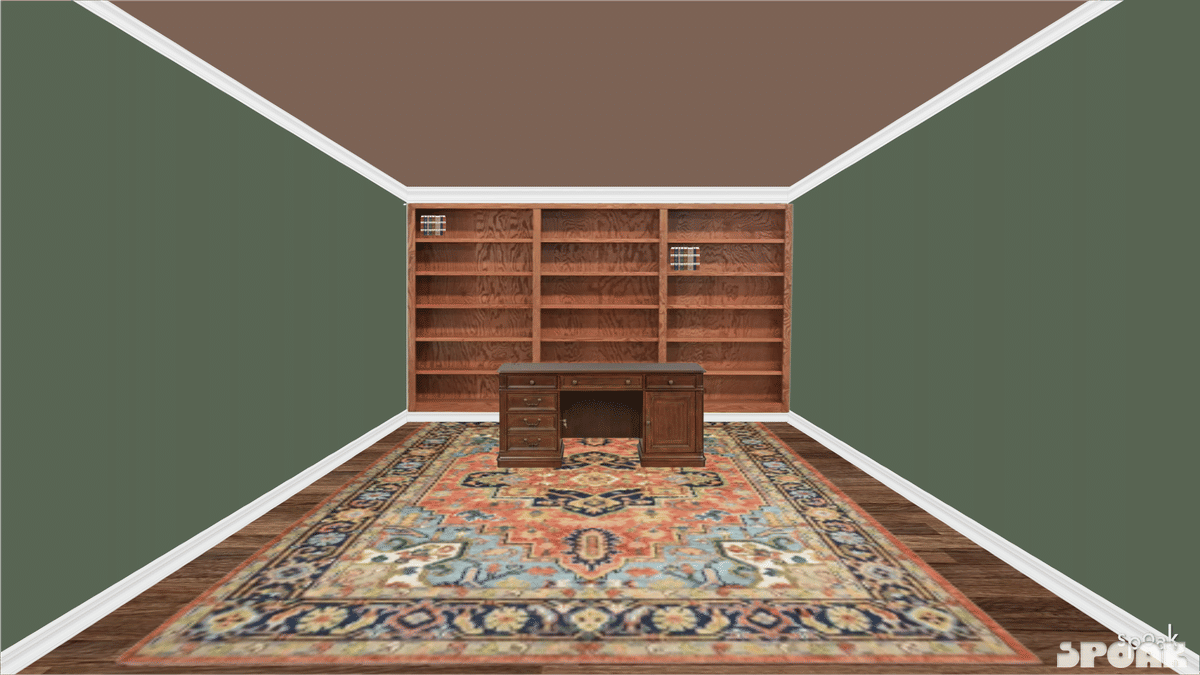
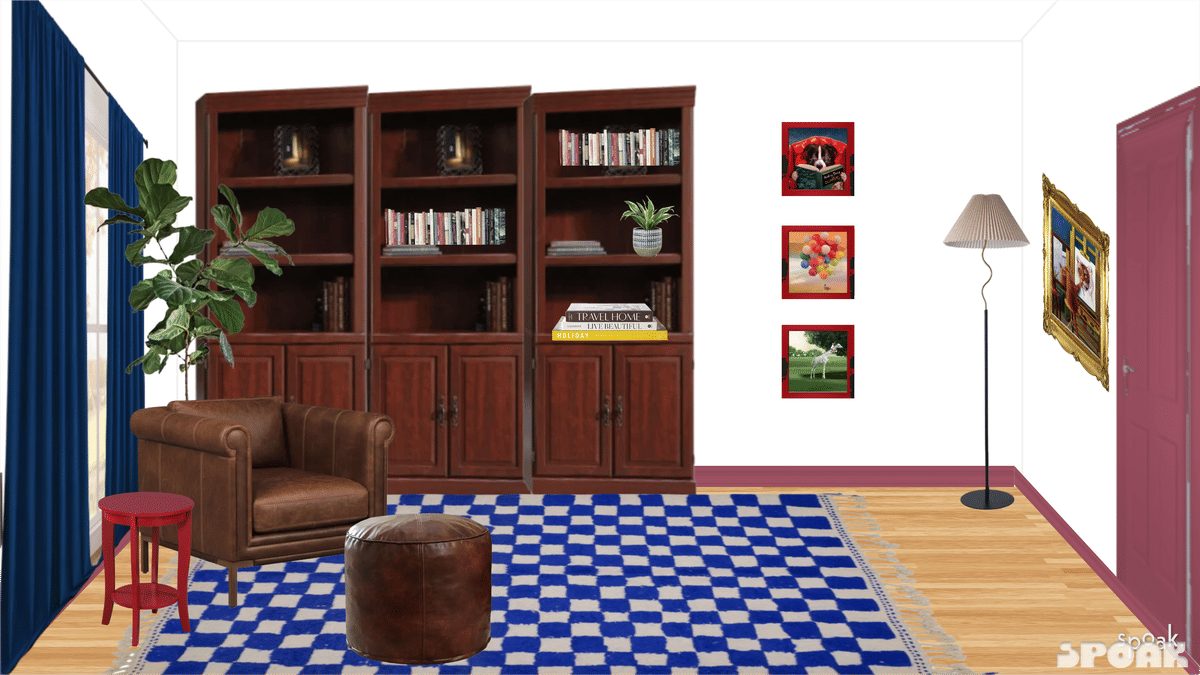
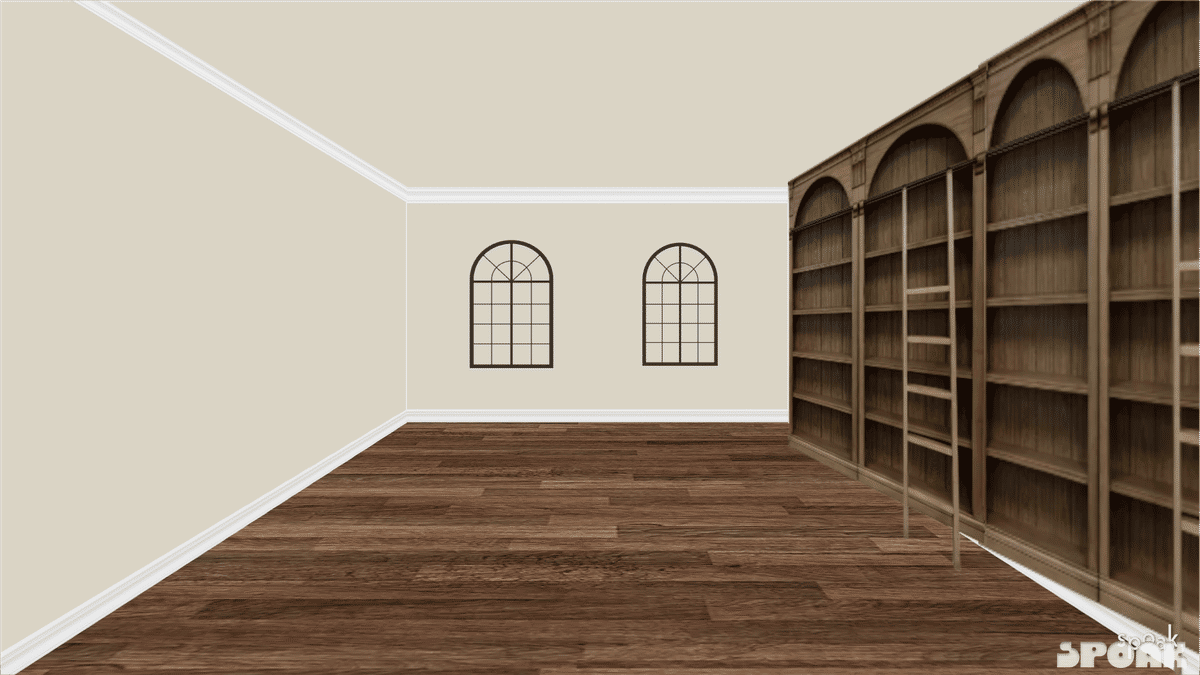
- Bookshelves or Storage: Every office needs storage. The material you choose for your storage can really help lean into the desired colonial style of your workspace.
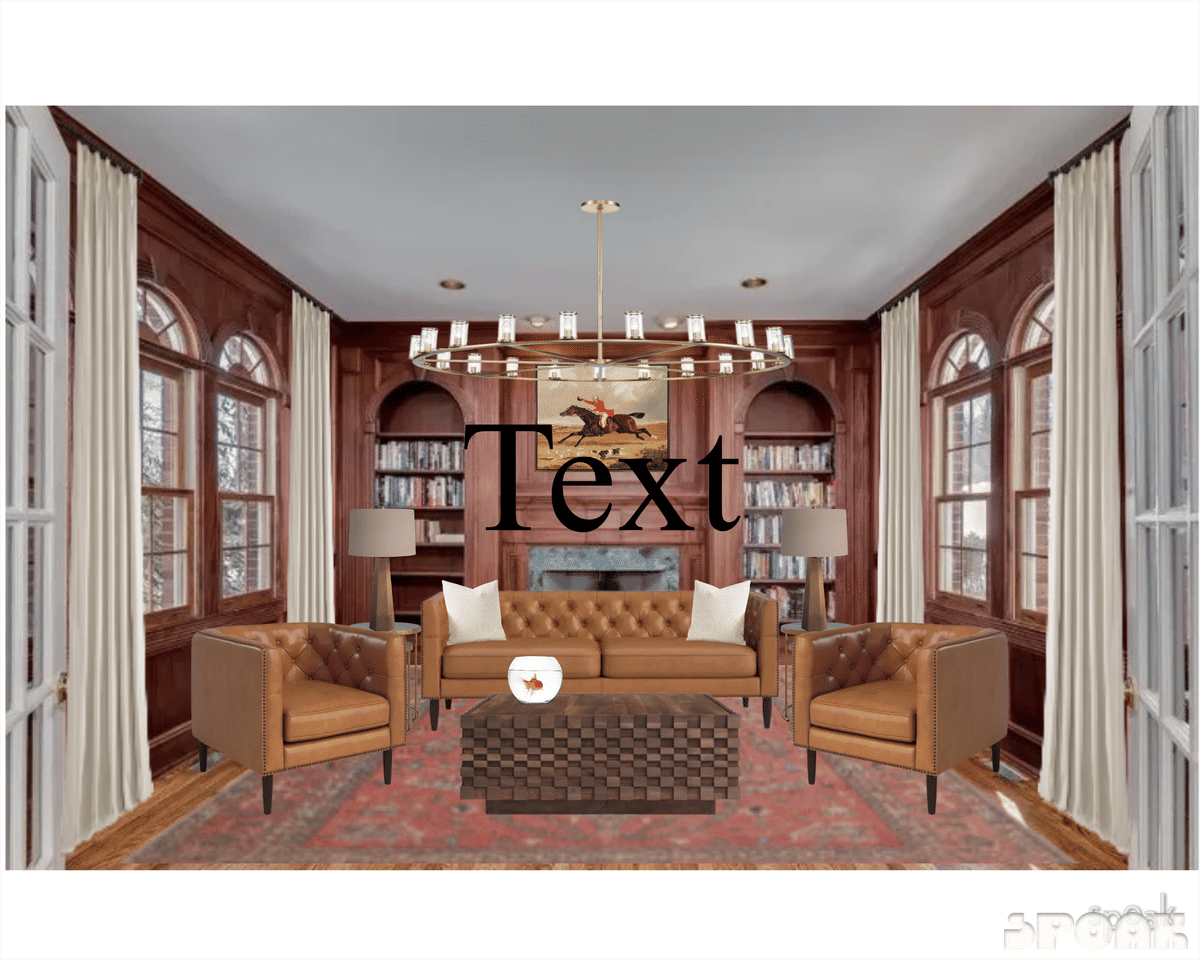
- Seating: Extra seating options, like an accent armchair, or sofa can add a cozy touch and provide a spot for guests or a change of scenery for you. Position these to encourage conversation without disrupting your work zone.
- Area Rug: An area rug adds warmth and can define a workspace within a larger room. Place it under your desk and chair to anchor the space, ensuring it's large enough to allow for easy chair movement.
- Paint or Wallpaper: Select a color or pattern that sets the desired mood for the office and complements the colonial style you want to achieve. We are partial to covering walls, ceilings, and trim in a uniform paint color to create a cohesive look. Or consider an accent wall behind the desk to serve as a focal point.
- Decorative Lighting: Combine task, ambient, and accent lighting for a layered lighting scheme. A desk lamp is common for those late work nights burning the midnight oil. Consider the placement of lighting fixtures to eliminate shadows and evenly light the space. Dimmer switches can adjust the mood.
- Curtains or Blinds: Window treatments not only help control the light and provide privacy but also serve to tie the room's design together. They offer an opportunity to inject color, texture, and pattern into the living space, making it more inviting and personalized. Whether flowing and sheer for a light, airy feel or rich and textured for a more luxurious look, curtains play a pivotal role in setting the tone and atmosphere of the office. Don’t forget the curtain rod!
Remember, the best office design is one that reflects your personal work style and needs. Experiment with different arrangements until you find the perfect balance of functionality and comfort. If you need an extra hand, check out our step-by-step guide on Home Office Design.
What materials and home decor should I use to achieve a colonial office design?
Colonial style is influenced by the aesthetic of the colonial period, blending European elegance with traditional American motifs. The style features a balanced mix of formal and rustic elements, with dark wood furniture, hardwood floors, and a muted color palette defining the space.
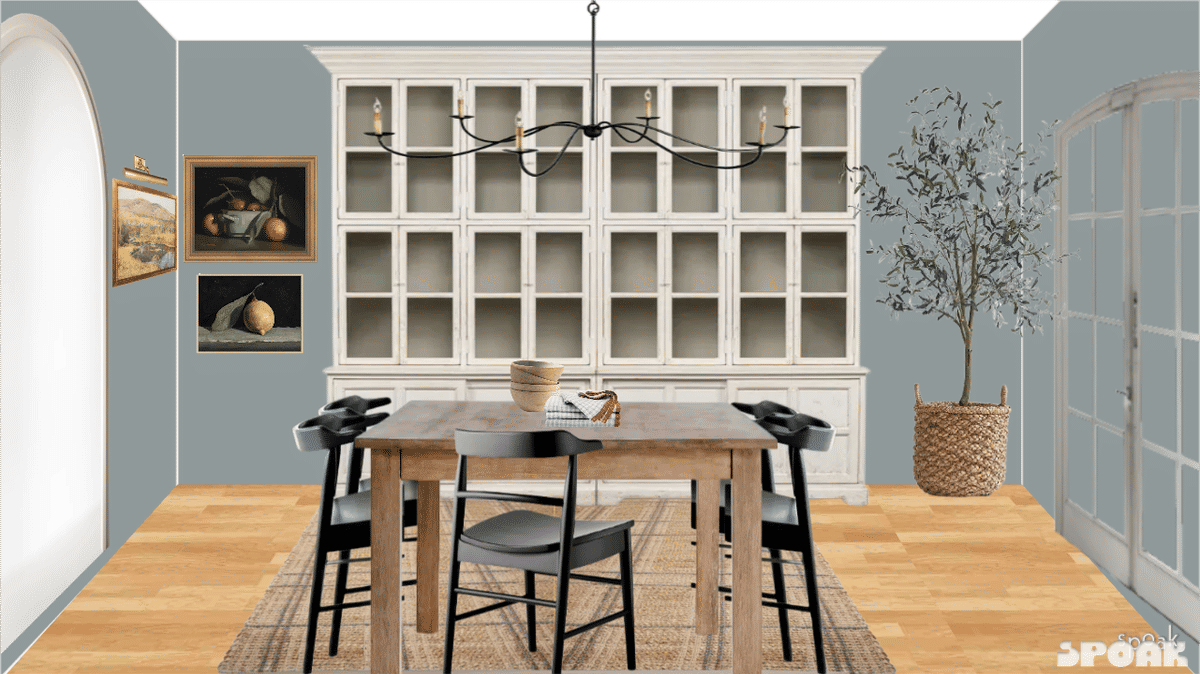
To achieve a colonial interior design aesthetic in your office, start with a neutral color scheme for the walls and layer in brass or pewter accents, wood furniture, and woven textiles. The overall atmosphere should be warm and welcoming, with an emphasis on comfort and historic charm. If you are set on a darker color, consider richer earth tones like chocolate, forest green, or navy. Shiplap or beadboard or floral motif wallpaper would be historically accurate choices for walls or ceilings. Natural fabrics like cotton and linen are great fabric choices for upholstered furniture and window treatments. Furnishings should be sturdy and functional. Look for furniture with intricate carvings or turned legs.
More rooms
Stop scrolling and start moving the furniture around.
Join the studio